

 Nigerian naira
 United States (US) dollar














Description
ALLOY RIMS
What Are Alloy Rims?
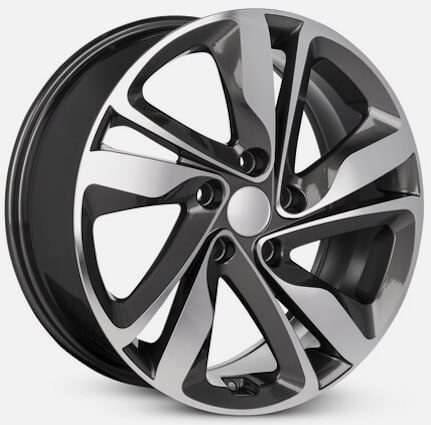
Alloy rims are rims made from a mixture of metals, commonly aluminium and magnesium, designed to offer better performance and aesthetics compared to traditional steel rims. Unlike standard steel rims, which are made of a single, heavier piece of steel, alloy wheels are lighter, stronger, and more resistant to corrosion.
The main allure of alloy rims lies in their ability to improve vehicle performance. The lighter weight of alloy rims reduces the overall weight of the car, which can enhance acceleration, braking, and fuel efficiency. Furthermore, the improved thermal conductivity of alloys helps keep your brakes cooler during operation, which is especially beneficial for high-performance vehicles.
Alloy rims are available in a variety of designs and finishes, making them a popular choice for car enthusiasts who want to add a stylish touch to their vehicles. The materials used in the construction of alloy rims —primarily aluminium—make them an excellent choice for those looking for both function and style.
What Are Alloy Rims Made Of?
What are alloy rims made of? As the name suggests, alloy rims are made from a combination of metals. The most common materials used are aluminium and magnesium, though some rims can also include small amounts of nickel, copper, or other metals for added strength and durability.
The advantage of these materials is that they are much lighter than traditional steel, which means alloy rims offer a significant weight reduction. This weight reduction has several benefits, including improved fuel efficiency and better handling due to the lower overall weight of the vehicle.
Aluminium alloys, in particular, are known for their excellent corrosion resistance, which helps prolong the lifespan of the wheels. This makes alloy rims a great option for drivers who live in areas where salt or moisture is common, such as coastal regions or areas that experience harsh winters.
How Do I Know If I Have Alloy Rims?
Determining whether your car has alloy rims is relatively straightforward. Alloy wheels typically have a shiny, polished appearance and are available in a wide range of designs. Steel rims, on the other hand, tend to be plain and often have a rougher, more utilitarian finish.
If you’re unsure, there are a few other ways to tell if you have alloy rims. First, alloy rims are usually much lighter than steel rims. You can test this by gently lifting one of your rims; if it feels lighter than you expected, it may be an alloy rims.
Another key difference is that alloy rims tend to be larger in diameter and feature more intricate designs than their steel counterparts. If you notice your rims have a more decorative, eye-catching design, it’s a strong indication they are made from alloy.
If you’re still uncertain, a quick visit to a tyre or automotive specialist, like Martins Tyres, can confirm whether you have alloy rims or not.
Key Benefits of Alloy Rims
- Improved Performance
One of the primary reasons alloy rims are so popular is the performance benefits they offer. The reduced weight compared to steel rims translates into better handling, quicker acceleration, and more efficient braking. Because alloy rims dissipate heat more effectively, they also help keep your brakes cooler, which is especially beneficial for performance vehicles that generate a lot of heat.
- Aesthetic Appeal
Alloy rims are available in a wide variety of finishes and designs, making them an ideal choice for car enthusiasts looking to enhance their vehicle’s appearance. From sleek, modern styles to classic, timeless designs, alloy rims can give your car a more refined, premium look. Customisable options, such as polished finishes or matte textures, also allow you to tailor your rims to suit your personal style.
- Durability and Corrosion Resistance
Alloy rims are more resistant to corrosion than steel rims, especially in harsh environments where moisture and road salts are common. This increased resistance to rust means that alloy rims tend to last longer, maintaining their visual appeal and structural integrity for a greater period of time.
Alloy Rims Maintenance Tips
Although alloy rims are more durable than steel rims, they still require regular maintenance to keep them looking their best and functioning properly. Here are some tips to ensure your alloy wheels stay in top condition:
- Cleaning and Polishing
Regular cleaning is crucial to keep your alloy rims looking shiny and new. Use a non-abrasive cleaner specifically designed for alloy rims, as harsh chemicals can damage the finish. Be sure to clean your wheels regularly to remove dirt, brake dust, and other contaminants that can dull the surface over time. A gentle polish can also help maintain the lustre and protect the finish from oxidation.
- Inspecting for Damage
While alloy rims are more durable than steel, they can still suffer from cracks, dents, or scratches. Regularly inspect your rims for any signs of damage, especially after hitting a pothole or curb. If you notice any cracks or significant dents, it’s important to get them checked by a professional, as damaged wheels can compromise the safety of your vehicle.
- Repair and Replacement
In some cases, minor damage to alloy rims can be repaired, but if the damage is extensive, replacement may be necessary. It’s essential to address any damage promptly to avoid further issues and maintain the integrity of your vehicle.
The Final Thoughts
Now that you have a better understanding of what are alloy rims, their benefits, and how to identify them, you can make an informed decision when upgrading your vehicle. The lightweight, durable, and stylish nature of alloy rims make them a popular choice for those looking to improve both the performance and appearance of their car.


admin –
Hello