

 Nigerian naira
 United States (US) dollar












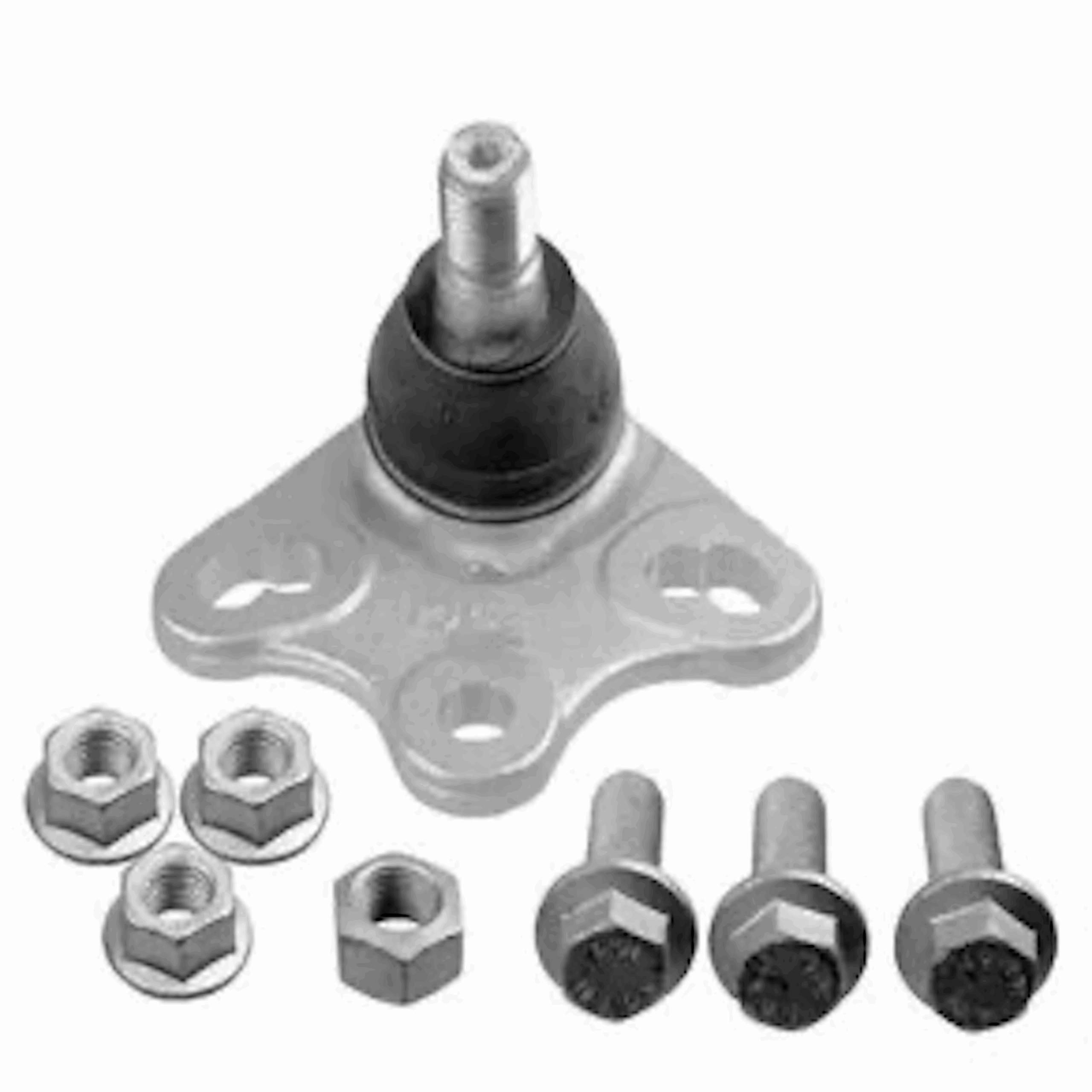

Description
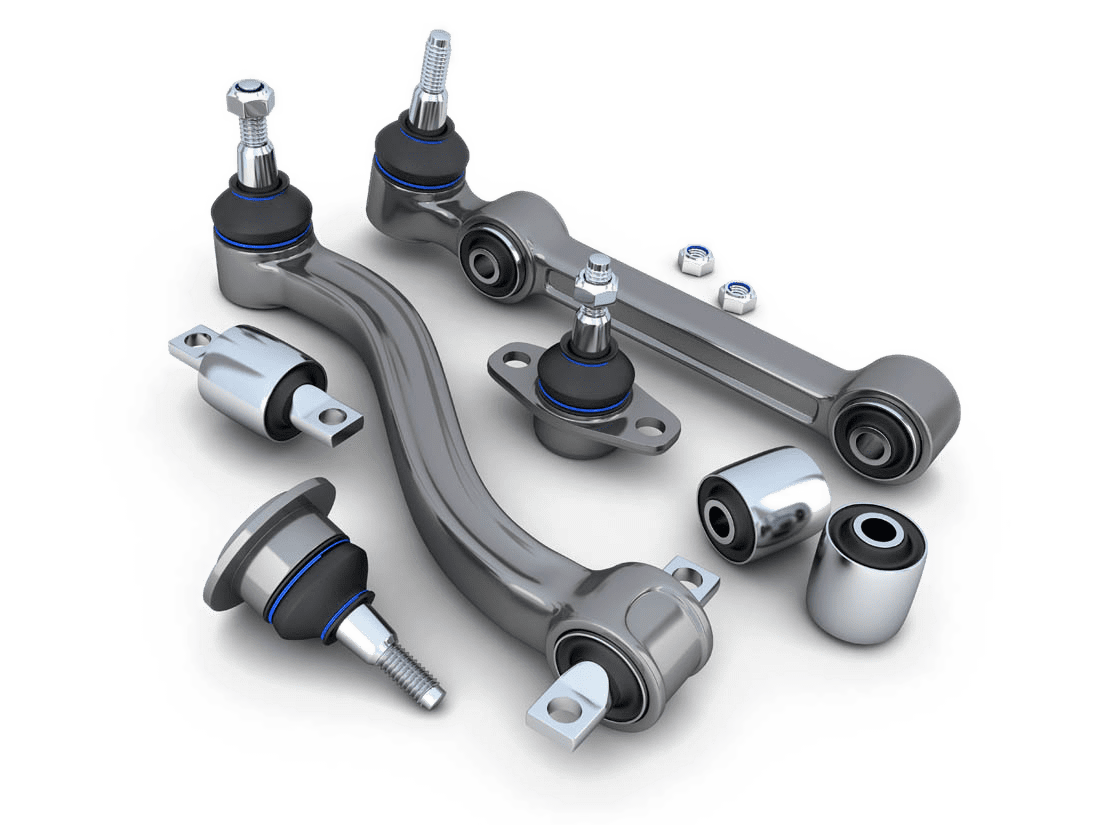
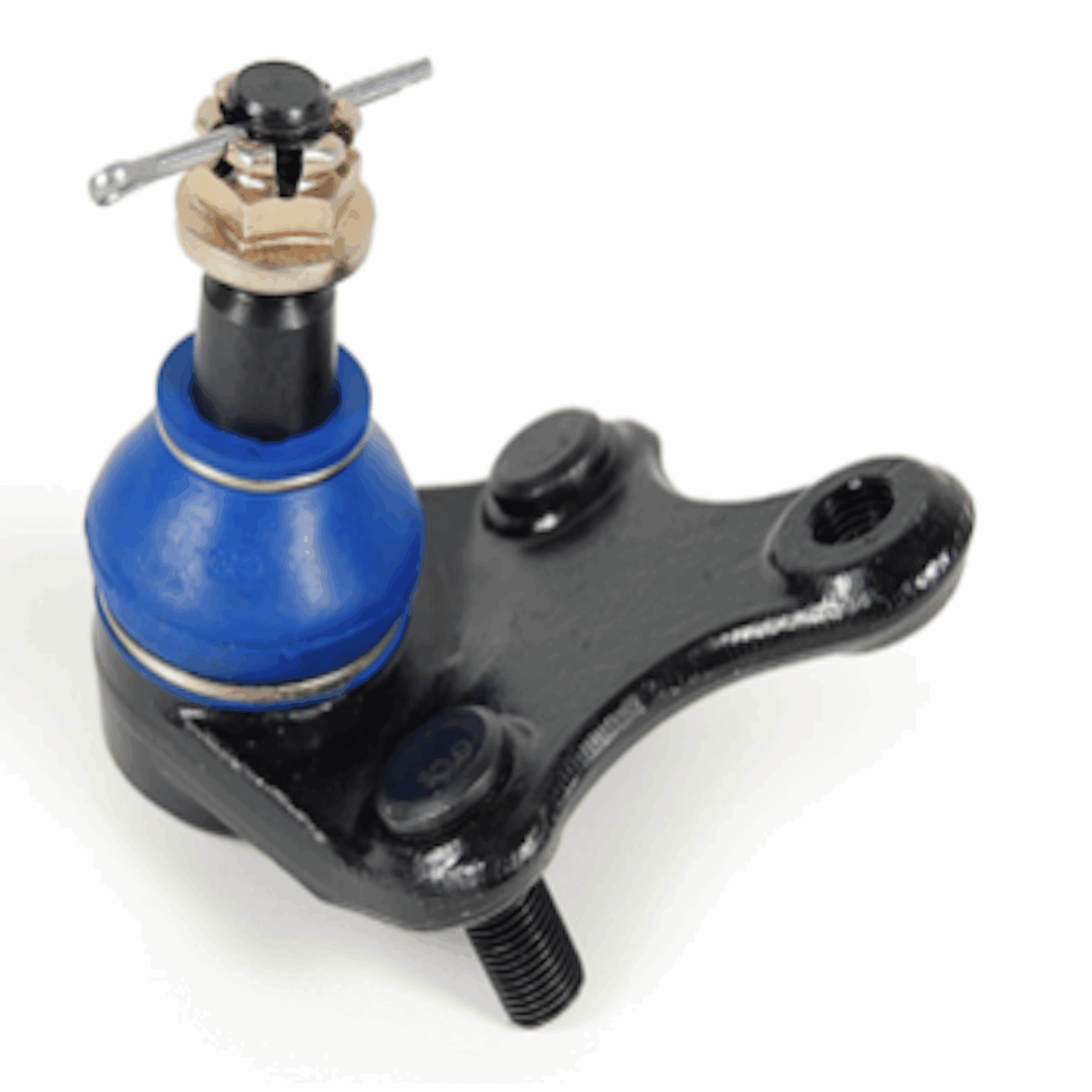
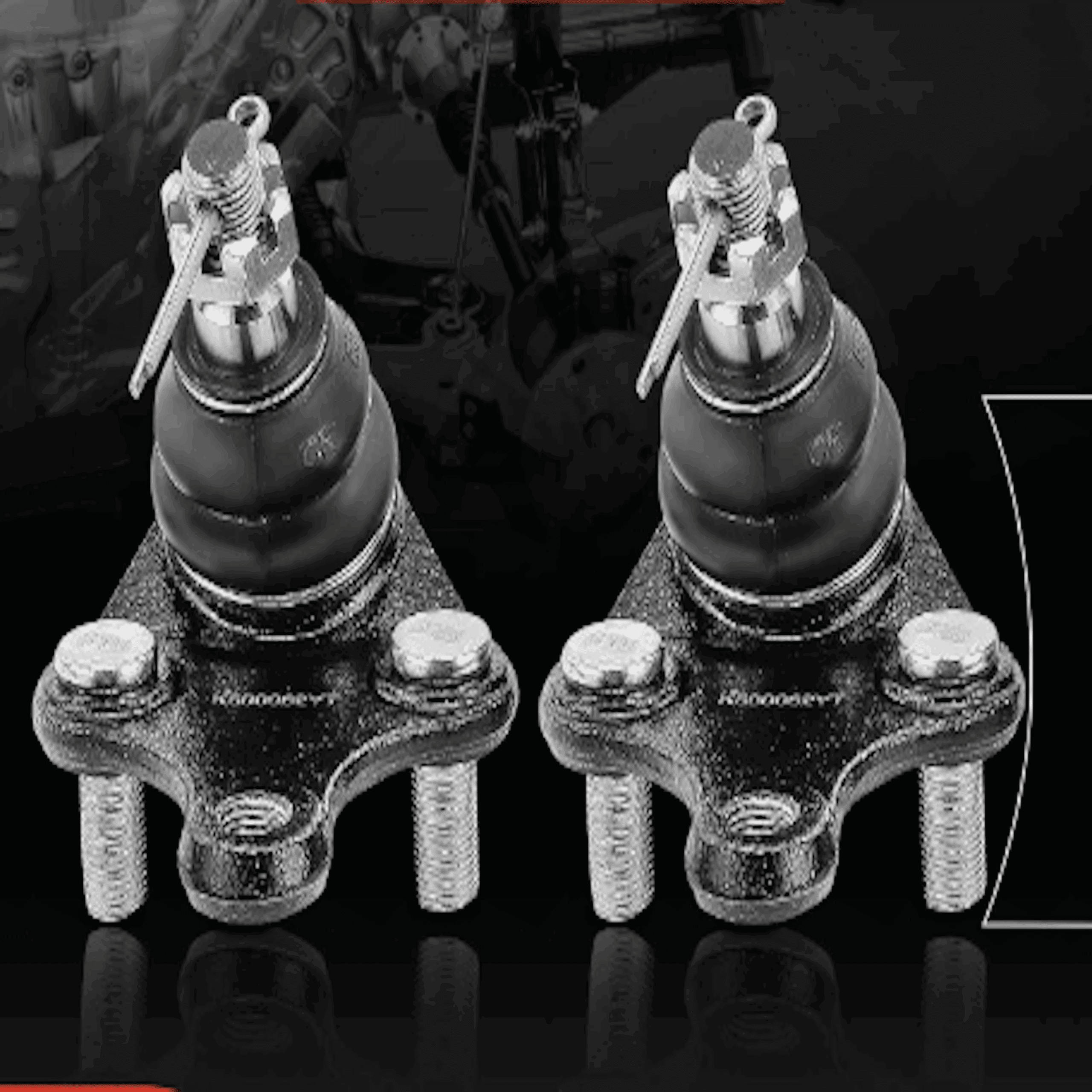
Ball joints are one of the main parts of a vehicle’s suspension system.
They help with the operation of the suspension and steering systems, which is why it’s important to keep them in good condition.
But what is a ball joint, exactly?
Keep reading for more details about how these parts function, their importance to your vehicle and when they should be repaired or replaced!
Key Summary Points
- Ball joints are important components of a vehicle’s suspension system that assist in the operation of the suspension and steering systems.
- They form a connection between control arms and steering knuckles, allowing for smooth movement within the suspension.
- There are upper and lower ball joints, with upper ball joints being non-load bearing and lower ball joints typically being load bearing.
- Ball joints will eventually wear out and need to be replaced, as the constant movement can cause them to become loose and develop space between the stud and socket.
- Signs of worn ball joints include excessive vibration, rattling or clunking noises, irregular tire wear and the vehicle pulling to one side.

Upper and lower ball joints
You can have upper or lower ball joints, depending on the type of vehicle and suspension. The difference is usually that upper ball joints are non-load bearing (also known as “followers”), while lower ball joints are typically load-bearing.
When To Make a Ball Joint Replacement
Given the role they play in the suspension system, ball joints are going to experience daily wear and tear. At some point, they need to be replaced.
The constant movement of the ball stud can cause it to become loose and move around inside the socket. As a ball joint wears out, more space develops between the stud and the socket.
The safety of everyone in your vehicle could be at risk if ball joints become too worn out. In severe cases, the stud can pull out of the socket and cause a wheel to become partially disconnected from the vehicle.
Manufacturers often give specifications for the acceptable amount of space between the stud and the socket, which is good to familiarize yourself with. You can also watch for symptoms of worn ball joints, which include:
- Excessive vibration: Rattling and shaking that you can feel in the suspension or through the steering wheel can be a sign of wear and tear on the ball joints.
- Rattling or clunking noises: Ball joints that have become loose in their sockets have the potential to make all kinds of noises, including knocking, clunking or banging when going over bumps or turning.
- Irregular tire wear: Bad ball joints have the potential to cause uneven wear on the inside or outside of the tires.
- Car pulling to one side: A vehicle drifting to one side of the road could be a case of bad alignment, but it could also be a symptom of worn-out ball joints.
- It’s important to take your vehicle to a trained technician who’s qualified to diagnose and repair this part of your suspension!


